


Marlboros and Moral Justice
- Charlie Bonner
- Jun 15, 2018
- 6 min read
Philadelphia, Pennsylvania – Cleveland, Ohio Playlist: https://www.youtube.com/watch?v=wBWNgg8CClc
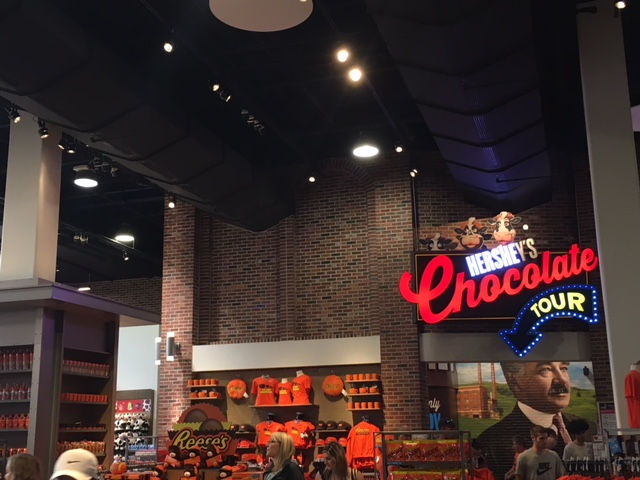
If you want to see America, go to a candy store. I am incredibly biased in this analysis because I worked at an incredible candy store in High School, but still, the sentiment rings true. Between Philly and Cleveland, I pulled off the Pennsylvania Turnpike (if you ever want to set money on fire, by all means, take this lovely drive) into Hershey, Pennsylvania, “the town built on chocolate.” After you pay your steep fine for getting off the turnpike, it’s a 30-minute drive through Amish country’s rolling hills, tall metal silos breaking up the vastness of the open sky. I stop for lunch at a crepe shop on Chocolate Avenue, the street lights shimmering with Hershey kisses atop each poll. The French shop owner and I start talking politics, “I stopped believing in Democracy when Bush was elected,” he tells me, I struggle to take notes while also devouring a mushroom crepe. “That’s not an uncommon opinion, come to find out,” I respond, mouth full. “tell me, does this democracy have justice? Moral Justice?” he asks. This question seems rhetorical, but he’s French, so I’m not really sure, “I think it should,” I respond. “I just don’t think we have that anymore,” he closes, turning back to his computer and coffee shaking his head. I little dejected by this answer, I take a coffee to go, pay my bill, and head to the world of chocolate to console myself. A large group of orthodox Russian girls exit as I make my way in, pushing past Midwestern families stopping on their way out of the amusement park—it’s like the damn United Nations in here. “Guns don’t kill people, men with daughters do,” an older white gentleman’s shirt reads, seems like a fun guy, I think to myself, hoping that gun is not on his person. Hershey is capitalism put on its full and unashamed glory. Brightly lit signs advertise different candies, animatronic chocolate bars give you a tour of a fake factory, I can’t help but laugh at the spectacle of it all—but if this isn’t America, I don’t know what is. Oversized, bold, visceral, shiny, selling something we don’t need; that’s the country I know and love. The advertisements work, and I buy some Reese’s Pieces and get back on the road.

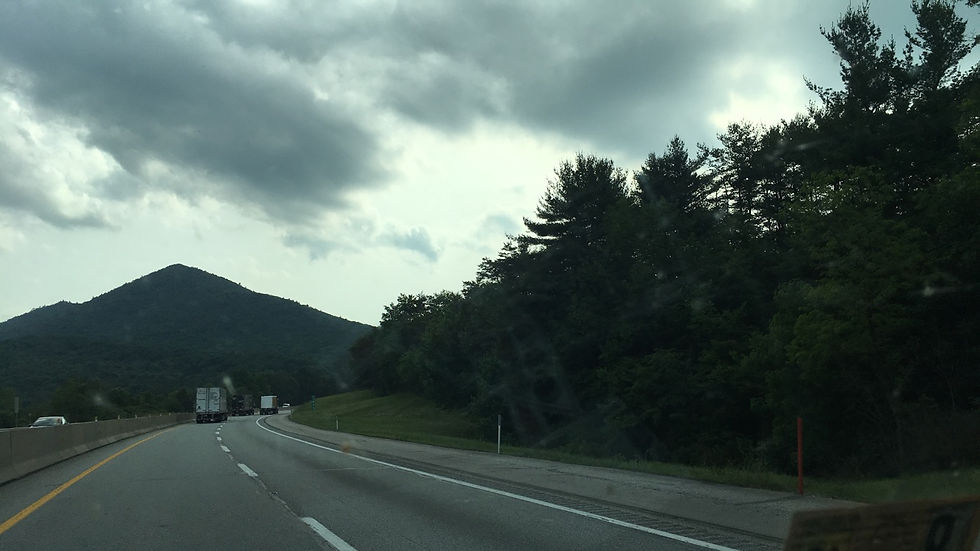
The drive takes much longer than expected and when I finally leave the turnpike, I am charged another $31, and I don’t want to belabor the point here—but what the actual fuck. Are there implications to democracy to be spoken of here? I don’t know, but these toll roads are ridiculous, and I hate them. Also, why should rich people get to drive faster than everyone else? Where is the occupy wall street movement for this damn toll road? Shouldn’t we all be equally miserable when it comes to transportation? There are whole dissertations to be written about how much I hate this godforsaken toll road, but, alas, I digress. I spend the next morning on a Lolly the Trolley tour of the downtown Cleveland, which honestly is a great way to see the city. Ohio is one of those places on the map I know very little about except for its significant swing in Presidential years. I learned that during the 1920’s, 60 of America’s 80 millionaires lived in Cleveland, most of them on the same street. The tour guide, PJ is full of fun facts like this, a retired school teacher and flight attendant, I am both enamored by and afraid of her. She stops in front of the Federal Reserve Bank to point out the massive statues of men that bookend the front doors; she points out the holes in their feet. “Those are gun cutouts,” she notes, fearful of riots on the bank in the great depression, hollow statues were put in front of the bank with armed guards hiding inside. “If I riot had started, they would have fired on We The People,” she insists. The tour is full of little political insights like this that illuminate the history of the city, PJ often refers to everyone on the trolley as middle class, noting that for much of the city’s history there was no such middle class. “The best and the brightest in America were surrounded by slums and ghettos of the people who worked in their factories for poverty wages,” she says, emphasizing ‘poverty wages’ with long, drawn out, enunciation. In detailing how electricity was brought to the city before any other, “we have science back then, oh yes, we believe in science,” she insists. I love this woman. PJ also notes the importance of the EPA in cleaning up the city that was made almost unlivable by pollution from paint and wool factories, “Why Scott Pruitt wants to roll back these protections is beyond me,” she says, “you all can catch me picketing outside his office before I let that happen.”


I head to the waterfront outside the Rock and Roll hall of fame to try and catch some locals to interview, “are you registered to vote?” someone yells toward me. Ah, my people, I think to myself. I strike up a conversation with Kendra, a petitioner from Michigan who is paid to get signatures. Her team is currently working on a ballot initiative that would put a cap on the cost of kidney dialysis, she holds a lit Marlboro cigarette and the petitions in the same hand as she calls out to passersby from her seat on the waterfront bench. Kendra is a petitioner because she needs the money, not for any overtly political cause, “it saddens me that people have to go through this in life. I see it as my job; I don’t see the political side of that.” She tells me “ I honestly hate politics,” unable to nail down why, “Shit, I hated it under Obama too.” A man stops to sign her petition, “America is falling apart, and it is putting everyone against each other instead of coming together as one.” Her coworker Krystal joins the conversation, “I think all the political parties and the government are corrupt to a certain extent,” admitting that there have to be some people in it for the right reasons, “Can we find a happy medium? I don’t know.” Krystal is hesitant to share her views but after some assurance that I am there just to listen, “well you want my honest opinion? I think the media is just a cover-up for the bigger stuff; they're just putting out the small stuff to keep people entertained.” That said, she doesn’t watch the news, “it’s too negative,” she says, “I just hope the world isn’t as corrupt as people are making it out to be.” Krystal also notes, “I’ve never been able to vote, so I don’t pay attention.” As a felon, her right to vote was revoked when she was young, despite her consistent efforts to keep a job and get her life back on track, she doesn’t live in a state where those rights can be restored. This brings back vivid memories for me. When I was volunteering on the Obama re-elect campaign in high school, we would often set up shop in front of the Walmart near my house to register folks to vote. It frequently resulted in an overwhelming number of new voters being brought into the process; they were neighbors who maybe never been asked to register before, people too often forgotten. What always stood out to me were those that couldn't register because they were former felons, every time we went out I would take little slips with me about how they could go through the long and tedious process of getting their rights restored. More often than not, the process was too difficult without a lawyer they couldn’t afford, and even more often, the sitting governor would do nothing. Kind people, working people, people who had served their time and just wanted to be a part of this great American thing we call a democracy—had lost their ability to perform their sacred American duty. The hurt in their eyes is something that I will never forget; I saw that hurt in Krystal. “I kind of wish felons could vote so that we could feel a part of society,” she says, “who we were before, that’s not who we are today.” She closes, “we need to give people another chance to feel a part of society," stern but solemn. I think again of the French crepe maker and his line of questioning over coffee. Is there anything moral justice in a democracy about keeping people from voting? Can we have a democracy that doesn't take into account justice?
Krystal has done her time, gotten herself a good job, left the friends who got her in trouble behind, and yet still she feels a distance from the country she calls home. She wants to feel like she has some ownership of her country, I want that for her too. I want to hug her; I want to tell her I understand; I want to hire her a lawyer; I want to change the laws that make her feel less than; I want to do anything at all but stand there and write down her tragic words of longing. Before I can do anything, the team is back to petitioning, back to yelling, “are you registered to vote?”

Comments